
Timeline
When symptoms started, what changed before the first flare, what makes symptoms better or worse, and what has already been tried.
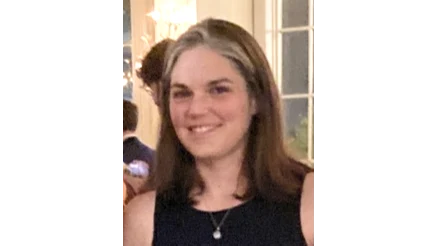
Urinary frequency, urgency, accidents, bedwetting, recurrent UTIs, and bladder discomfort can be frustrating and embarrassing for children. Kim brings pediatric urology experience to the functional medicine question: what else is driving the pattern?
Families usually arrive here after months or years of treating isolated symptoms while the bigger pattern keeps showing up at home. We look at the timeline, the body systems involved, the testing already done, and the clues that may have been missed.
When symptoms started, what changed before the first flare, what makes symptoms better or worse, and what has already been tried.
Constipation, reflux, picky eating, bloating, food reactions, microbiome balance, and gut barrier clues.
Recurrent infections, allergies, autoimmune history, inflammation, PANS/PANDAS clues, and post-viral or tick-borne patterns.
Mold, water damage, seasonal triggers, chemical exposures, sleep space, school exposures, and other hidden stressors.
Iron, vitamin D, magnesium, zinc, omega-3s, methylation needs, and other deficiencies that can affect resilience.
What your child will tolerate and what your family can realistically sustain without burning out.
The free consult helps determine whether your child is a fit for a full intake, focused gut testing, 4-month concierge care, or a different referral first.
Tell us what your child is dealing with and what care you have already tried.
If we work together, we review the timeline, symptoms, labs, medications, diet, sleep, and environment.
You leave with prioritized next steps for testing, food, supplements when appropriate, routines, and follow-up.
Some children run to the bathroom constantly. Some leak before they make it. Some wet the bed long past the age parents expected. Some complain that it burns, but urine cultures do not explain the whole pattern. Some have recurrent UTIs and the family is tired of repeating the same cycle.
These symptoms can affect school, sleepovers, sports, confidence, and family stress. They also deserve a careful conventional workup when symptoms suggest infection, structural issues, pain, blood in the urine, fever, or kidney involvement.
Before opening Calm Wellness Center, Kim worked clinically in pediatric urology, specializing in bladder dysfunction, constipation, and biofeedback. She wrote on the bowel-bladder connection and started a research protocol in New York focused on it. That clinical history matters because bladder symptoms in children are very often not isolated. The bowel, pelvic floor, hydration, nervous system, immune system, and gut all matter, and most general pediatric workups do not investigate the bowel side carefully enough.
This is one of Kim’s clinical specialties. It is also the area where families most often arrive frustrated, because they have already seen urology, tried timed voiding, tried medication, and still have a child waking up wet, racing to the bathroom at school, or recurring UTIs every few months.
Constipation is one of the most common missed drivers of pediatric urinary symptoms, and the literature backs that up clearly. Loening-Baucke’s 1997 study in Pediatrics followed 234 chronically constipated children: when the constipation was treated, 89% of daytime urinary incontinence resolved, 63% of nighttime urinary incontinence resolved, and 100% of recurrent UTIs resolved in children without an anatomic abnormality of the urinary tract. That range, 63-89%, is the number Kim cites with families, and it is the reason the first question on a bladder visit is almost always about stool, not bladder.
A child can stool daily and still be functionally constipated if they are not emptying well. Retained stool puts pressure on the bladder, increases urgency, contributes to accidents, raises UTI risk, and makes bedwetting harder to resolve. That is why we ask detailed questions about stool frequency, texture, completeness of emptying, withholding patterns, belly pain, appetite, gas, reflux, and laxative history. If the bowel is not working, the bladder usually cannot settle.
Parents are often surprised by how central this is, and sometimes resistant to the idea that their child is constipated when stools are happening daily. Kim is direct about it: the most common reason a child’s urinary symptoms are not resolving is that the bowel piece has not been addressed honestly.
Depending on the child, we may look at:
Fever with urinary symptoms, back pain, blood in urine, vomiting, severe pain, dehydration, a very young child with suspected UTI, or a child who looks ill needs prompt medical evaluation. Functional medicine is for the longer pattern and the drivers around it, not emergency infection care.
We map the bowel-bladder timeline, review prior urine cultures or imaging when available, and decide whether the starting point is gut support, constipation work, nutrient review, food-trigger evaluation, nervous-system support, or collaboration with pediatric urology.
Some families fit GI Reset when constipation and gut symptoms are central. More complex cases may need the Initial Functional Medicine Intake so we can review the full history and coordinate care appropriately.
Progress may mean fewer accidents, longer time between bathroom trips, less nighttime waking, better stool patterns, less shame around symptoms, and clearer next steps for the family. The goal is a child who feels safer in their body and a parent who is no longer guessing.
Families come to Calm Wellness from Berks County, Chester County, Lancaster County, Montgomery County, and across Pennsylvania and New York because pediatric functional medicine for complex children is hard to find close to home.
In-person Friday clinic in Reading, PA.
See service area →Care for Reading, West Reading, Wyomissing, Douglassville, and nearby families.
See service area →Families from West Chester, Exton, Downingtown, Honey Brook, and Elverson drive to Reading or use PA telehealth.
See service area →Lancaster families use the Reading clinic and secure Pennsylvania telehealth.
See service area →Secure video visits across Pennsylvania when clinically appropriate.
See service area →Secure video visits for families anywhere in New York State.
See service area →Yes, and this is one of Kim's clinical specialties. The pediatric literature has been clear for decades. Loening-Baucke's 1997 study in Pediatrics showed that treating chronic constipation in children resolved 89% of daytime urinary incontinence, 63% of nighttime urinary incontinence, and 100% of recurrent UTIs in children without an anatomic abnormality of the urinary tract. Retained stool puts pressure on the bladder and contributes to urgency, frequency, accidents, bedwetting, and recurrent infection. A child can stool daily and still be functionally constipated if they are not emptying well. Before opening Calm Wellness, Kim worked clinically in pediatric urology, specialized in bladder dysfunction and biofeedback, and started a research protocol on this connection. We still want appropriate medical evaluation for fever, blood in urine, severe pain, or a young child with suspected UTI. For chronic bladder patterns, the bowel is almost always part of the answer.
Anxiety, OCD, sudden changes, gut, sleep, infection history
Constipation, withholding, MiraLAX dependence, belly pain
Food reactions, elimination diets, eczema, reflux, behavior changes
Sudden onset OCD, tics, restricted eating, regression
Constipation, IBS, reflux, leaky gut, food sensitivities
This article is for educational purposes only and is not medical advice. See our medical disclaimer and editorial policy .
Tell us what has been going on. Kim will help you understand whether Calm Wellness is the right fit and which care path makes sense for your child.